AI Theatre: Powered by Fear of Missing Out
In many enterprises, AI has become less a technology strategy and more a stage production. The script is familiar: a board member asks, “What’s our AI story?”, a CEO announces an ambitious AI transfor
Articles using the AI tag. Explore articles categorized by tags, making it easy to find content on specific topics

In many enterprises, AI has become less a technology strategy and more a stage production. The script is familiar: a board member asks, “What’s our AI story?”, a CEO announces an ambitious AI transfor

Testing AI-written software products works best when you treat the generated code as “helpful but untrusted,” then build a repeatable test pipeline that proves correctness, safety, and stability over time. The practical goal is not to confirm that th...

In the modern software development lifecycle, test automation has shifted from being a nice-to-have to a fundamental part of CI/CD pipelines. Writing reliable and maintainable automated tests—whether using Selenium or Playwright—requires not only a d...

The integration of Artificial Intelligence (AI) into software testing is transforming quality assurance (QA) practices. By automating complex tasks, predicting potential issues, and adapting to evolving software environments, AI is enhancing the effi...

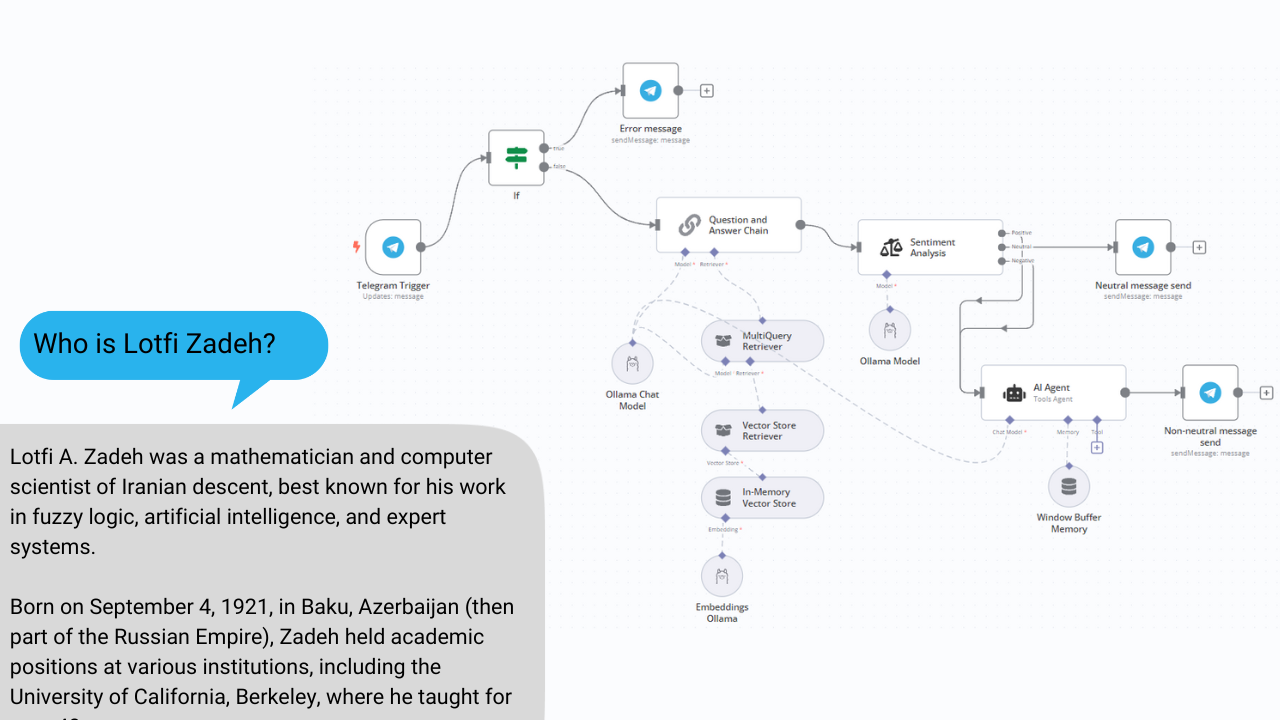
In an increasingly automated world, the synergy of artificial intelligence (AI) and automation tools has unlocked new possibilities for businesses and developers. Ollama's LLaMA 3.1 model and n8n workflows are two such tools that, when combined, offe...

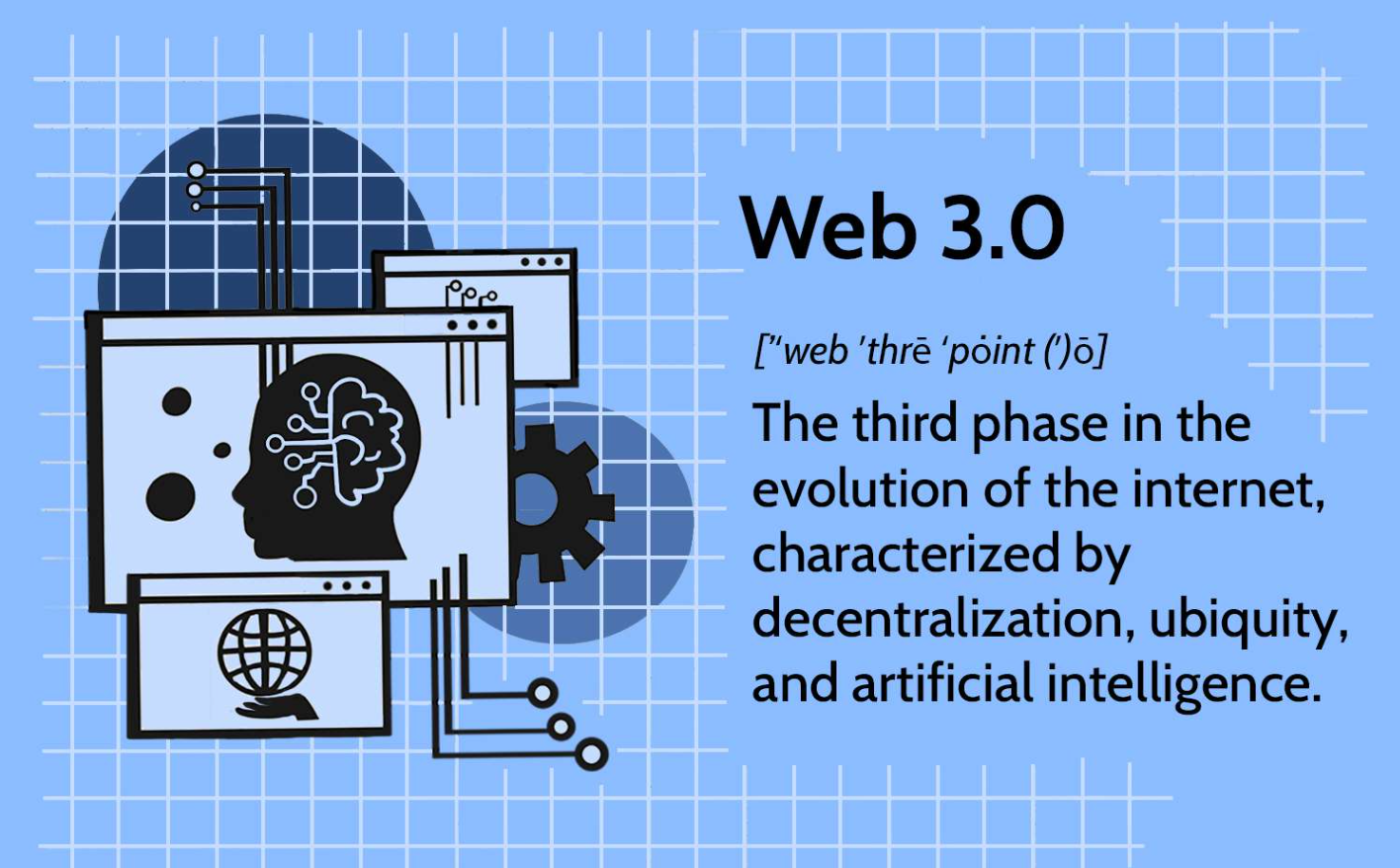
Web 3.0, often heralded as the next evolution of the internet, is a term that’s gaining traction in tech circles, but what does it really mean? To understand Web 3.0, it's useful to first look back at the previous stages of the web: Web 1.0 and Web 2...

The introduction of AI, particularly models like ChatGPT-4o, has revolutionized the landscape of software quality assurance. As technology continues to evolve rapidly, the importance of software testing has never been greater. This blog post explores...